
Importance of a Digital Micron Gauge
Mar 27th 2026
Why You’re Flying Blind Without a Micron Gauge
Pulling a vacuum with a traditional manifold might look like a job well done… but in reality, you’re flying blind.
To understand why, we have to look at how a vacuum is measured. Atmospheric pressure sits at 29.92 inches of mercury. If we look at that on a metric scale, it translates to 760 millimeters.
1 atmosphere = 29.92 inHg = 760 mmHg
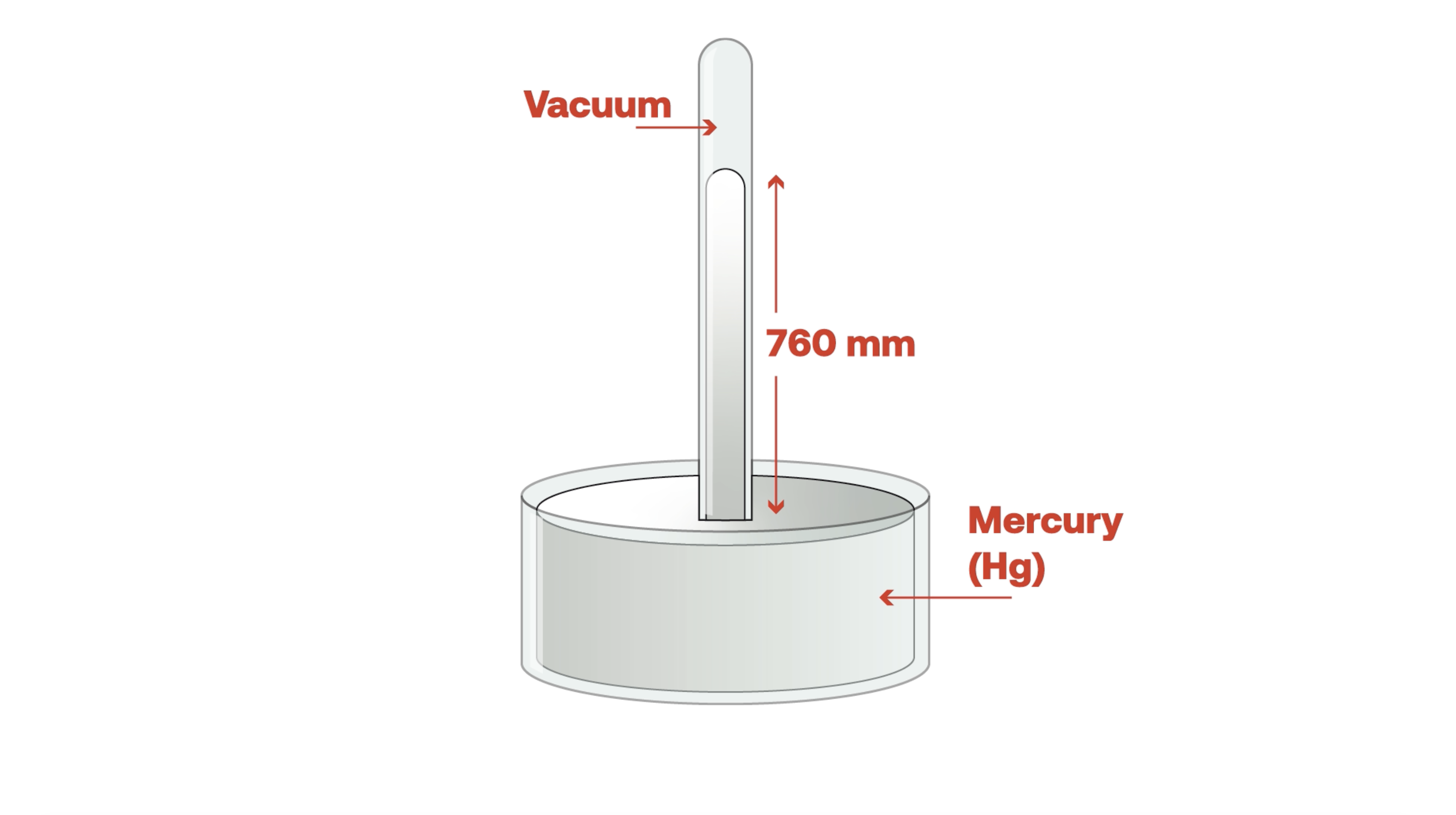
The Scale of Precision
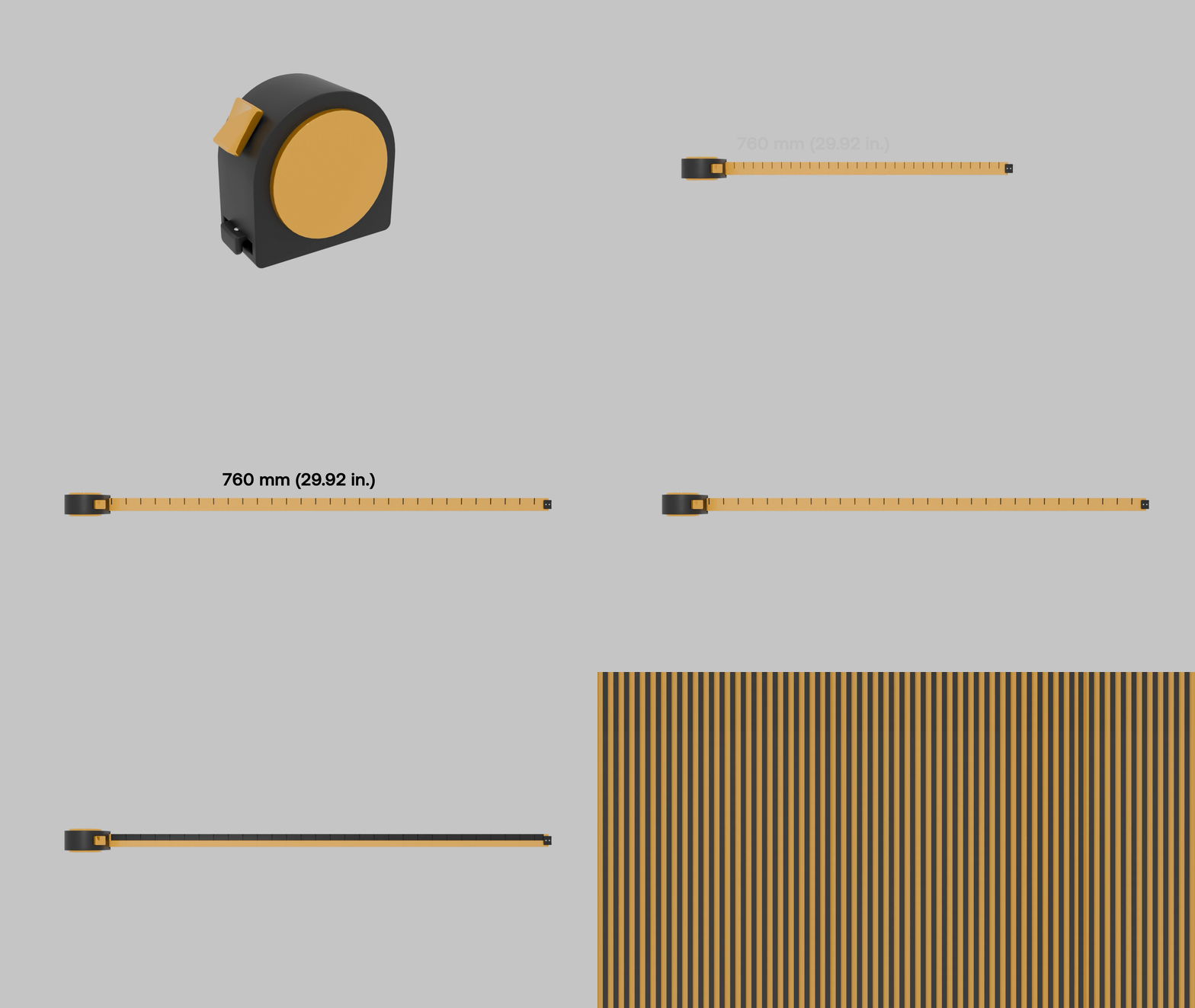
To get the precision needed for AC/R evacuation, we divide those millimeters into a microscopic scale, giving us 760,000 microns. Just 1 micron is $1/1000$ of a millimeter.
760 mmHg = 760,000 µ
If you tried to mark all 760,000 microns on a 760 mm (29.92-inch) tape measure, there would be so many lines that the entire surface would be completely blacked out without a microscope.
The Problem with Manifold Gauges
Manifold gauges take that massive 760 mm (29.92-inch) scale and compress it to less than 25mm (1 in.) on a dial. Even a tiny sliver on this dial represents 40,000 microns.
When pulling an evacuation, the industry standard target is a mere 500 microns. A needle simply cannot accurately register a target that small.
Stop Guessing, Start Measuring
Stop guessing with a needle and start measuring with a tool designed for the job.
With a full-range digital micron gauge like the AV760, you can read these microscopic measurements accurately and know the job is done right.